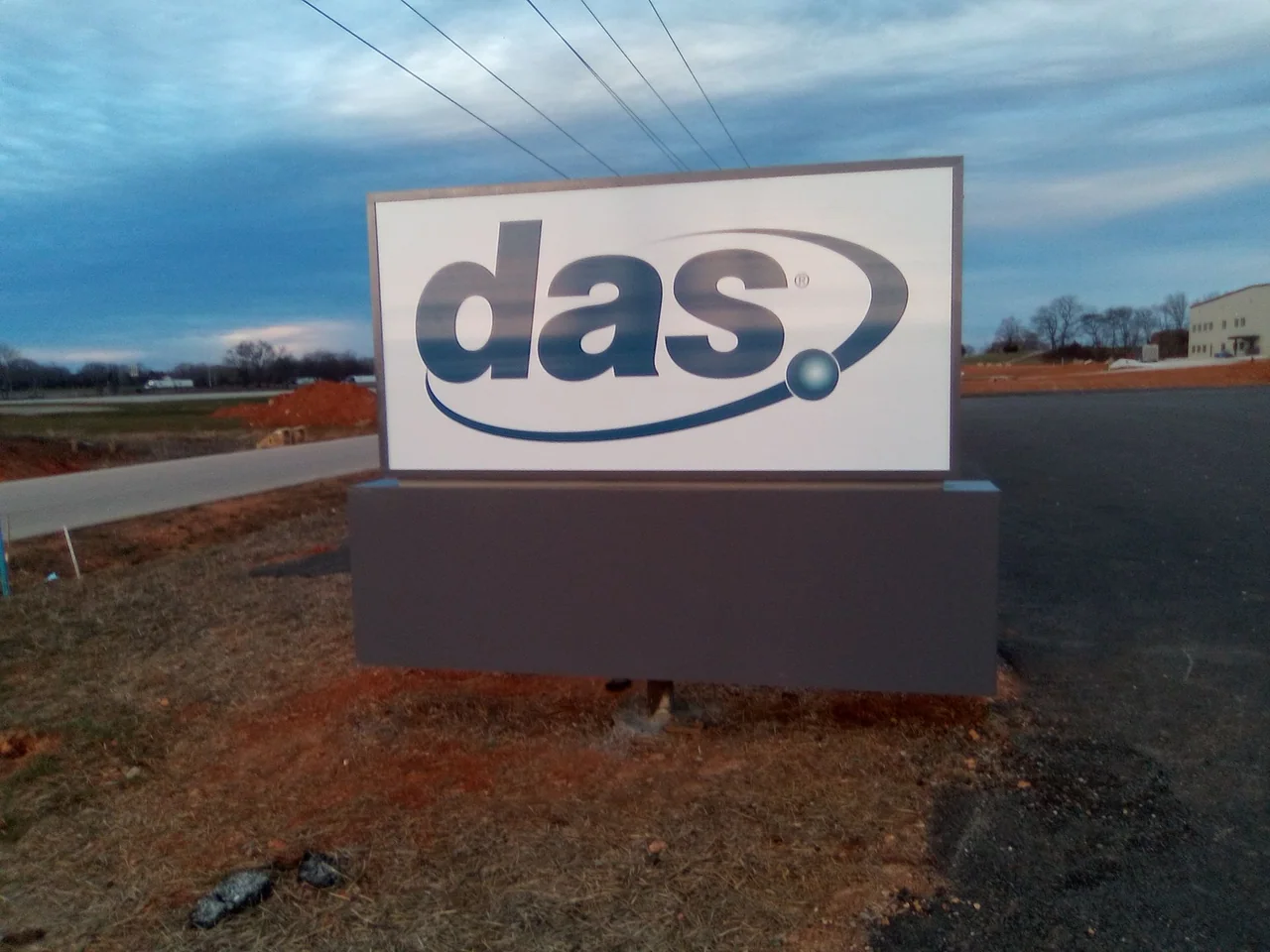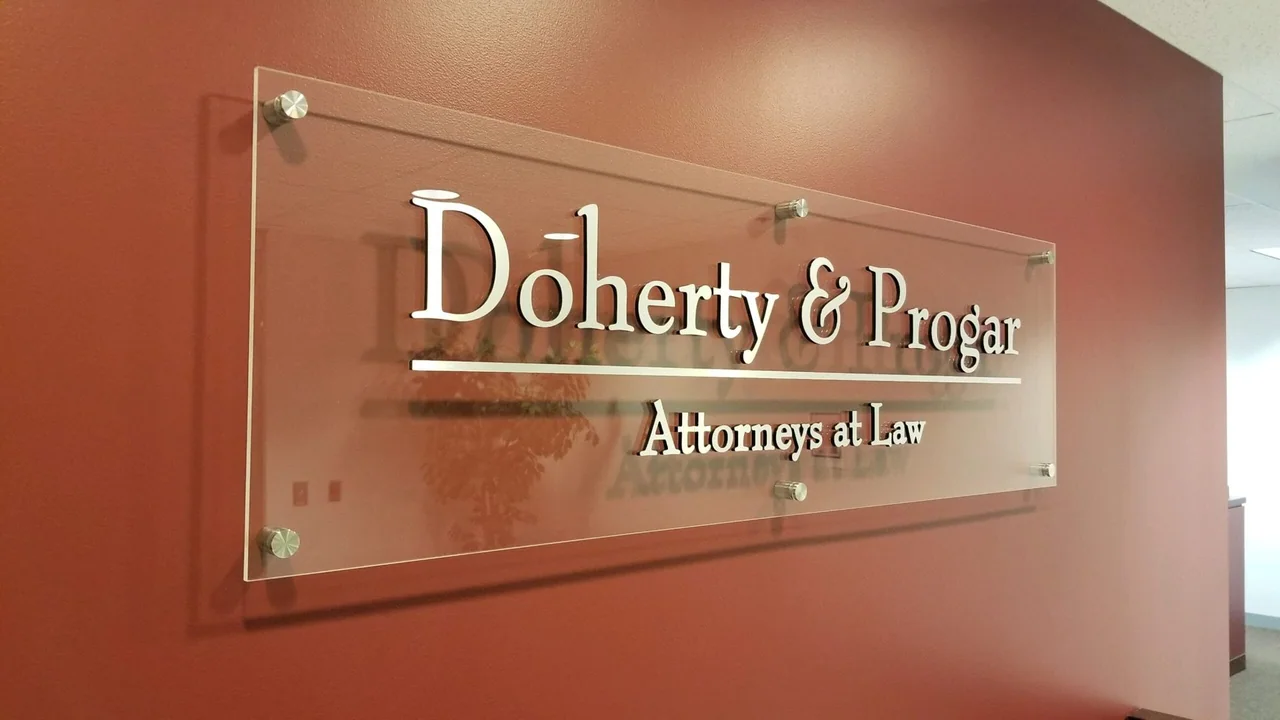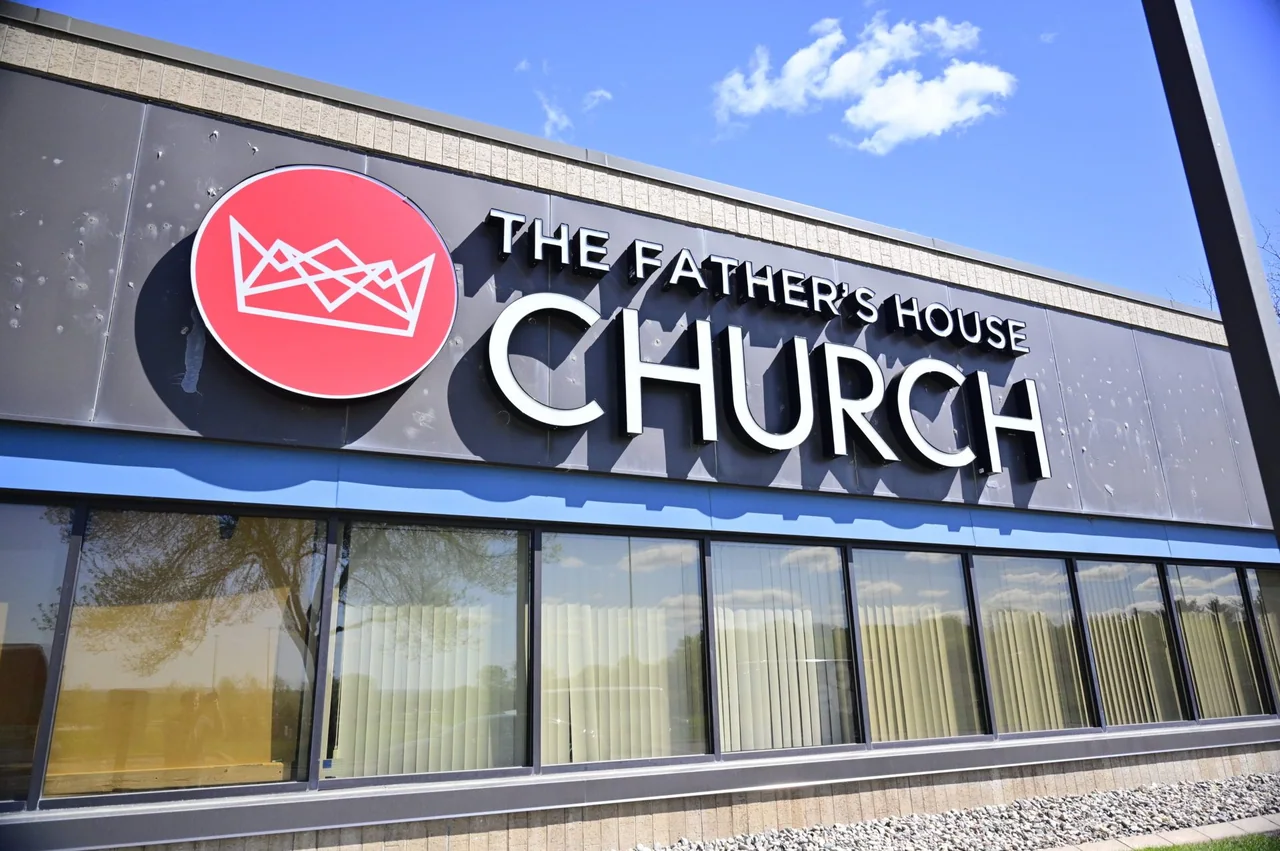
Channel letters
A name with dimension.
Plan hotel signs around your Russellville, Kentucky property, from the first view of the name to the final visitor destination.
By sending your request, you agree to be contacted about your project. Read our privacy policy.
★★★★★5.0Based on 14 reviews
Hotel signage begins with recognizing the property and continues through the guest journey. Roadside identification, facade lettering, and an entrance marker may serve separate viewing distances. Use the approved hotel brand and property name in a hierarchy that leaves arrival instructions readable rather than hidden beneath a large decorative logo.
Inside, reception, meeting rooms, dining, and guest circulation need consistent names. A refurbishment is a useful time to inventory old signs as well as new ones. Plan the replacement sequence so the active entrance and reception remain understandable while individual areas or brand elements are being updated.
Russellville’s historic downtown square gives the community a distinct commercial center. Around a square, a visitor often sees several storefronts together, making a short, recognizable identity useful. A property elsewhere in Russellville may have a broader vehicle approach, so the sign’s location and hierarchy should follow the customer route instead of copying the proportions of a downtown shop.
For hotel signs around Russellville’s downtown, compare the storefront identity with the practical information needed at the door. Include brand standards, guest arrival photos, and any meeting-room or destination naming schedule.
For a storefront project, photograph the whole block face and the door position. For an entrance sign, include the driveway and the direction from which visitors normally arrive. Those two kinds of evidence lead to a more useful discussion of scale, placement, and supporting directions.