Channel letters
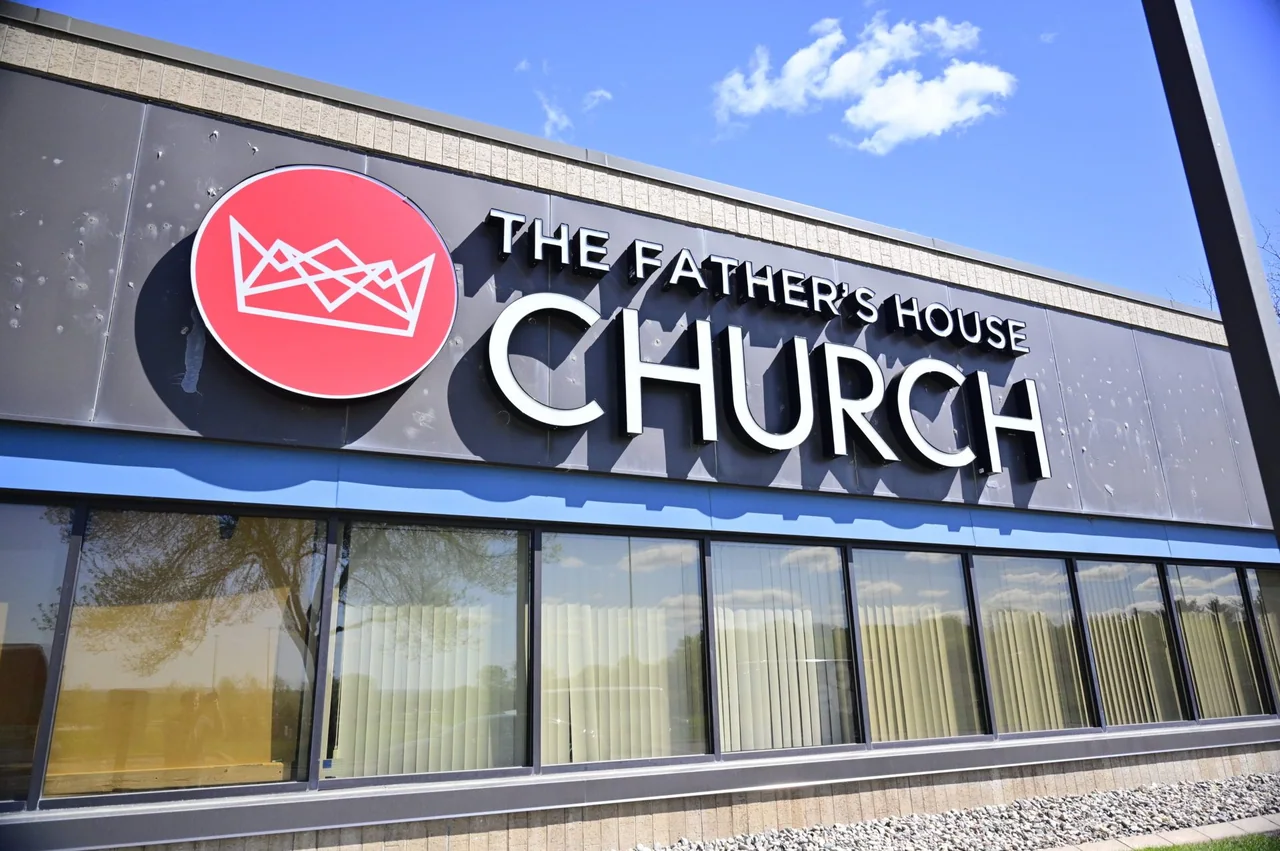
A name with dimension.
Plan hotel signs around your Guthrie, Kentucky property, from the first view of the name to the final visitor destination.
By sending your request, you agree to be contacted about your project. Read our privacy policy.
★★★★★5.0Based on 14 reviews
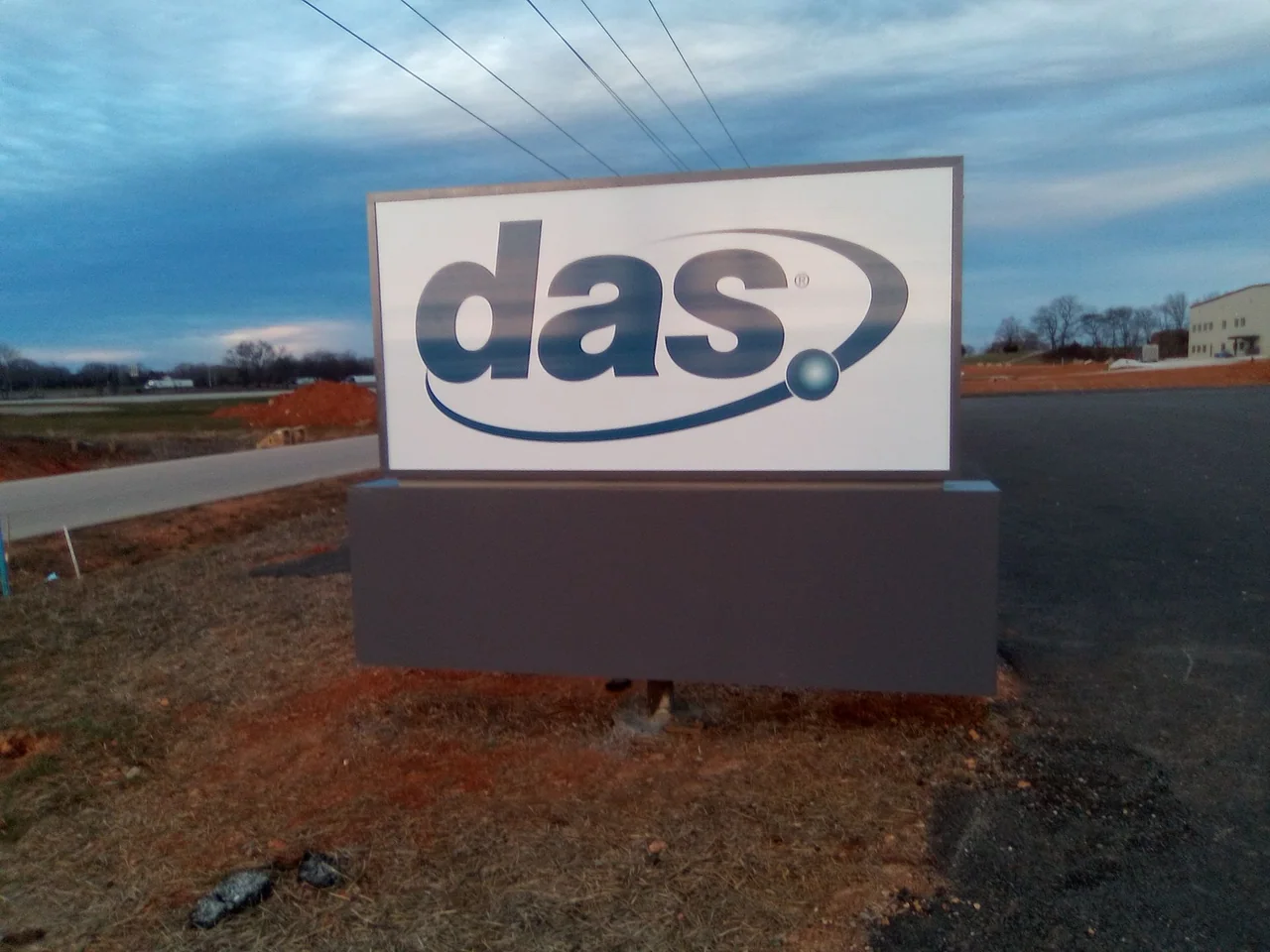
Hotel signage begins with recognizing the property and continues through the guest journey. Roadside identification, facade lettering, and an entrance marker may serve separate viewing distances. Use the approved hotel brand and property name in a hierarchy that leaves arrival instructions readable rather than hidden beneath a large decorative logo.
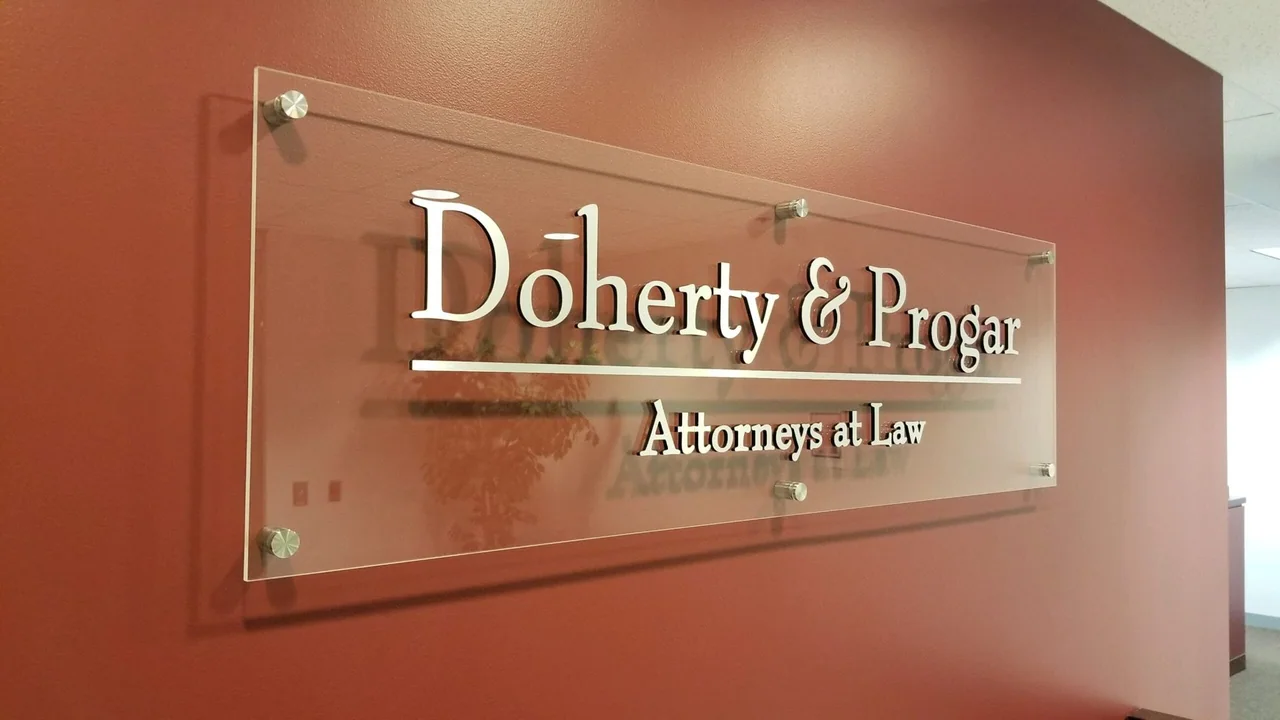
Inside, reception, meeting rooms, dining, and guest circulation need consistent names. A refurbishment is a useful time to inventory old signs as well as new ones. Plan the replacement sequence so the active entrance and reception remain understandable while individual areas or brand elements are being updated.
Guthrie lies on the Kentucky–Tennessee border and has a railroad history reflected in the city’s own account of its development. For a customer finding a local business, a clear name and a recognizable entrance matter more than a crowded message. Include the state in the project address and explain how visitors reach the property so the sign can respond to the real approach.
For hotel signs in Guthrie, separate the main brand from the directions needed once someone enters the property. Include brand standards, guest arrival photos, and any meeting-room or destination naming schedule.
Show the property from the visitor route, including any turn into the site and the final customer door. Where there are multiple buildings, label their intended functions on a simple sketch. This helps decide which message belongs on a building, which belongs at an entrance, and which can stay indoors.