Building signs
Make the building unmistakably yours.
Plan corporate signs around your Guthrie, Kentucky property, from the first view of the name to the final visitor destination.
By sending your request, you agree to be contacted about your project. Read our privacy policy.
★★★★★5.0Based on 14 reviews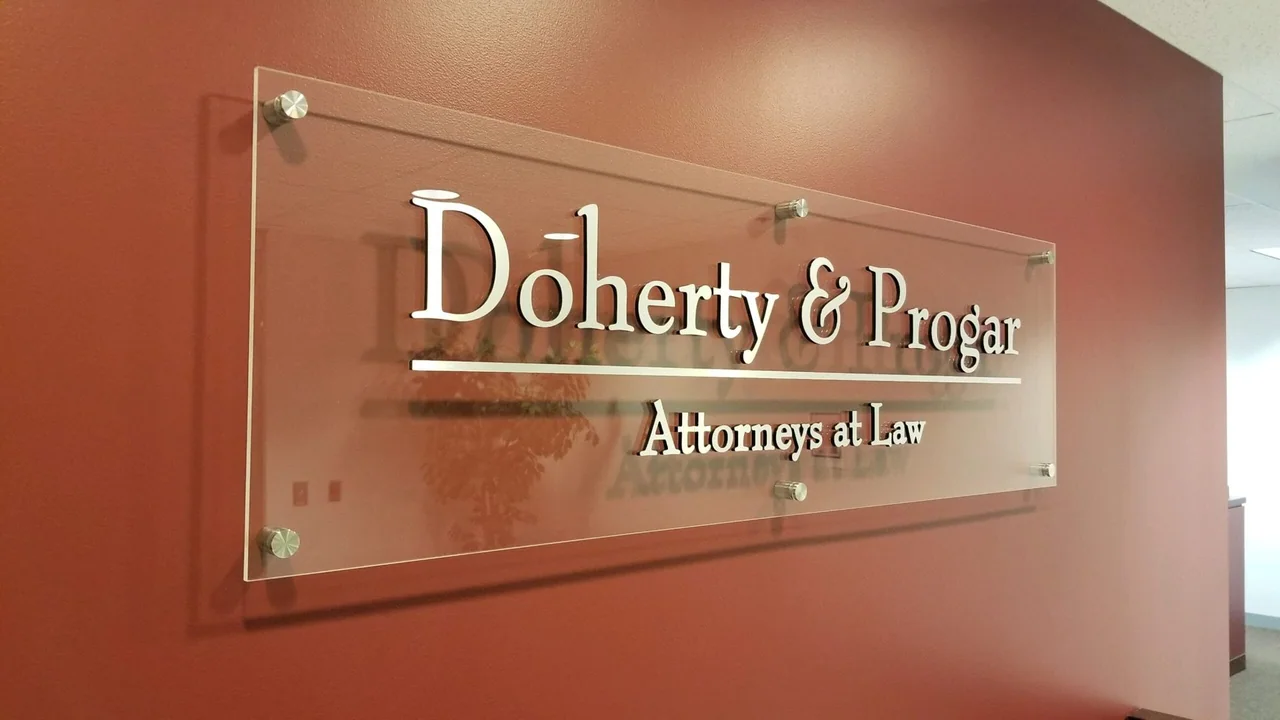
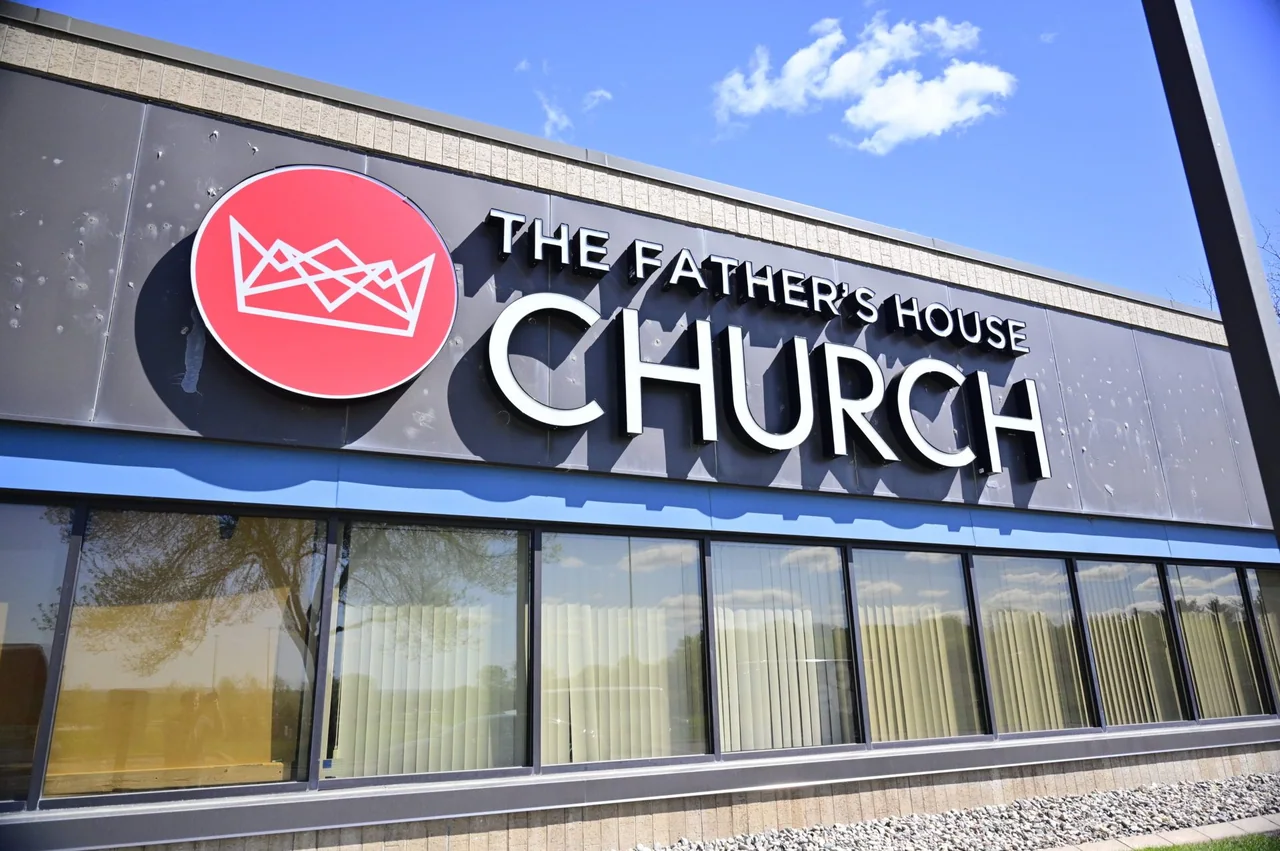
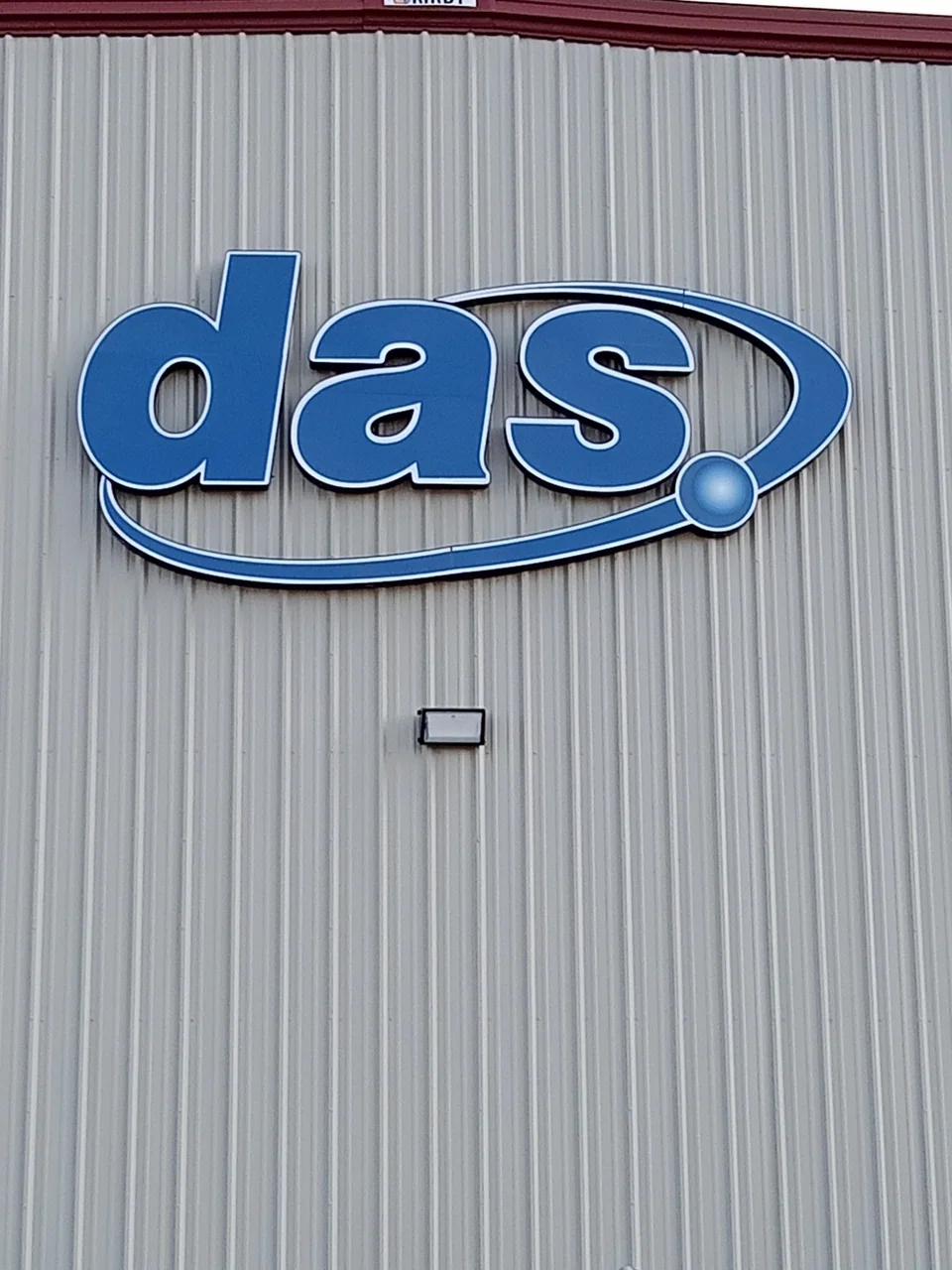
Corporate signage connects an organization’s brand with a physical workplace. Exterior identification, a reception logo, and a shared directory should use the approved name consistently. A restrained material palette can help the identity sit comfortably with the architecture without reproducing every marketing message on the wall.
Plan for visitors who know the company name but not the building. If several teams or tenants share an address, distinguish the property identity from the individual organization. For a rebrand, include interior marks, entrance lettering, and subsidiary names in the scope so the change feels coordinated across customer-facing spaces.
Guthrie lies on the Kentucky–Tennessee border and has a railroad history reflected in the city’s own account of its development. For a customer finding a local business, a clear name and a recognizable entrance matter more than a crowded message. Include the state in the project address and explain how visitors reach the property so the sign can respond to the real approach.
For corporate signs in Guthrie, separate the main brand from the directions needed once someone enters the property. Provide brand files, a tenant or department list, and reception wall dimensions.
Show the property from the visitor route, including any turn into the site and the final customer door. Where there are multiple buildings, label their intended functions on a simple sketch. This helps decide which message belongs on a building, which belongs at an entrance, and which can stay indoors.