Building signs
Make the building unmistakably yours.
Hospitality signage should make a guest’s first interaction feel deliberate.
By sending your request, you agree to be contacted about your project. Read our privacy policy.
★★★★★5.0Based on 14 reviews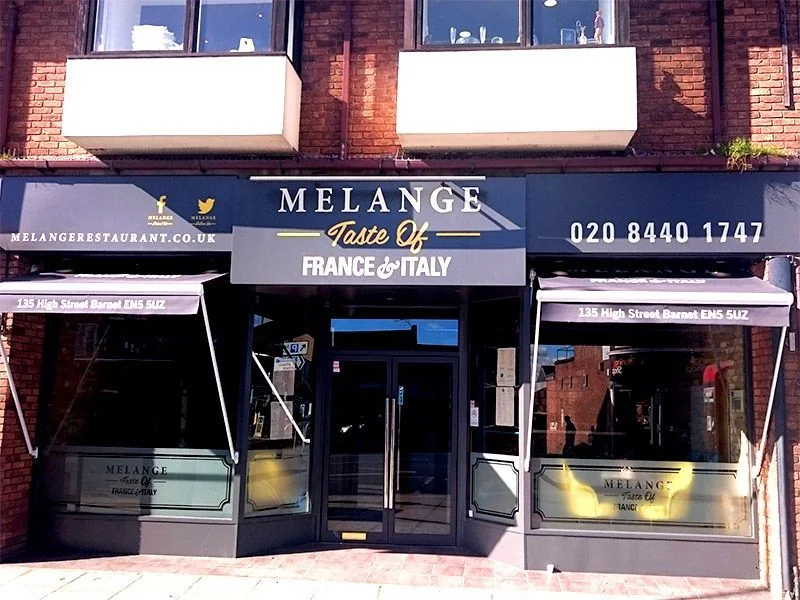
Hospitality signage should make a guest’s first interaction feel deliberate. The property name introduces the brand, while reception, dining, and event spaces need their own clear identities. Choose finishes and lighting that relate to the experience inside instead of treating the exterior as an unrelated advertising panel.
Think about the moments between arrival and welcome: finding the public door, identifying reception, and locating a booked room or venue. A consistent visual language can connect those steps. Promotional displays should have a dedicated place so short-term offers do not overwhelm the permanent identity or leave guests unsure which entrance to use.
Share guest arrival details, the interior finish palette, and a list of public destinations.
A complete package can bring the main business name, customer entrance, and interior destinations into the same visual language. Tell us which pieces are new, which are replacements, and which existing signs should remain.
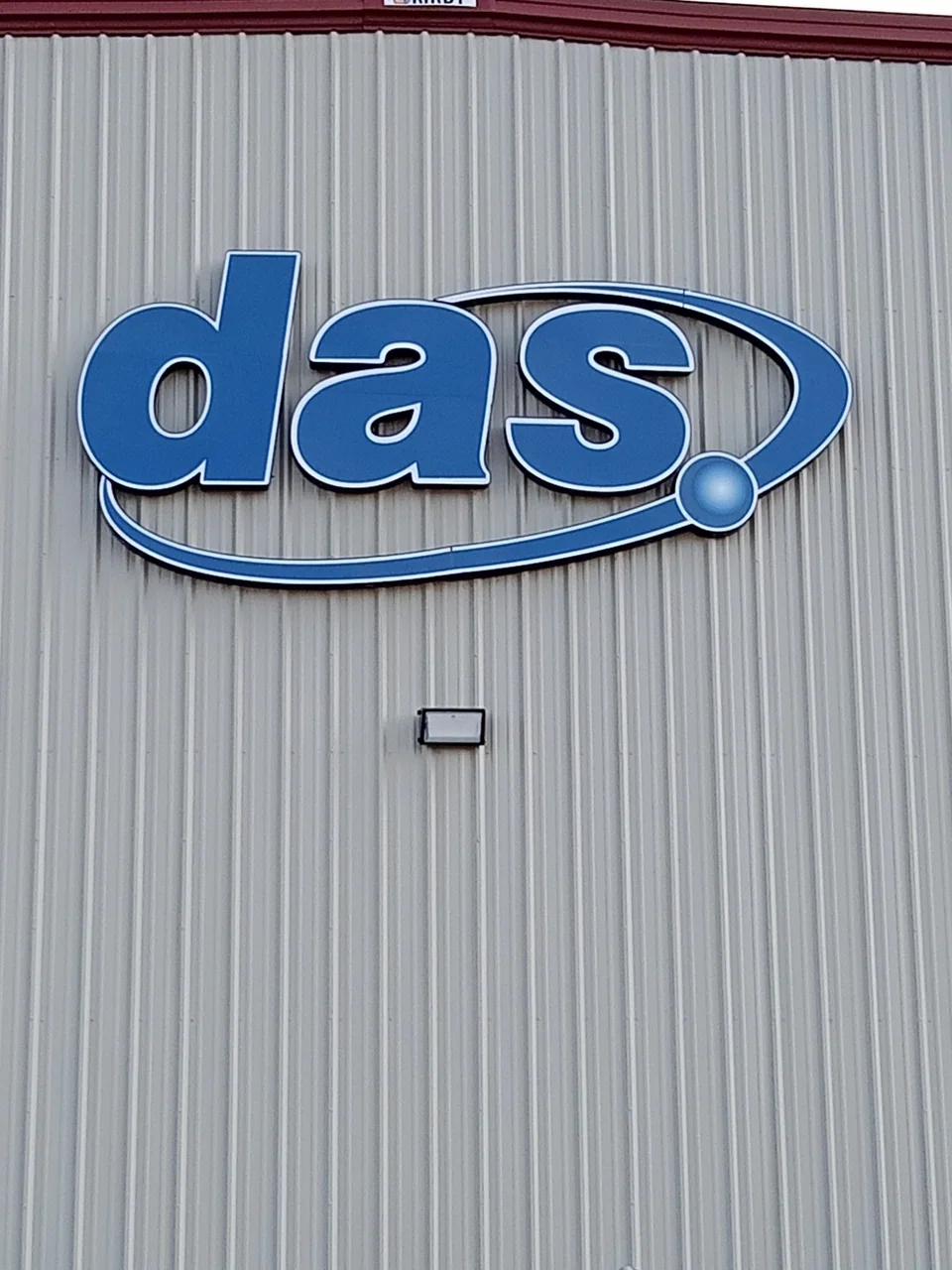
A successful building sign belongs to its surroundings. We consider the architecture, the available mounting area, the way people approach the property, and the relationship between the main business name and any supporting information.
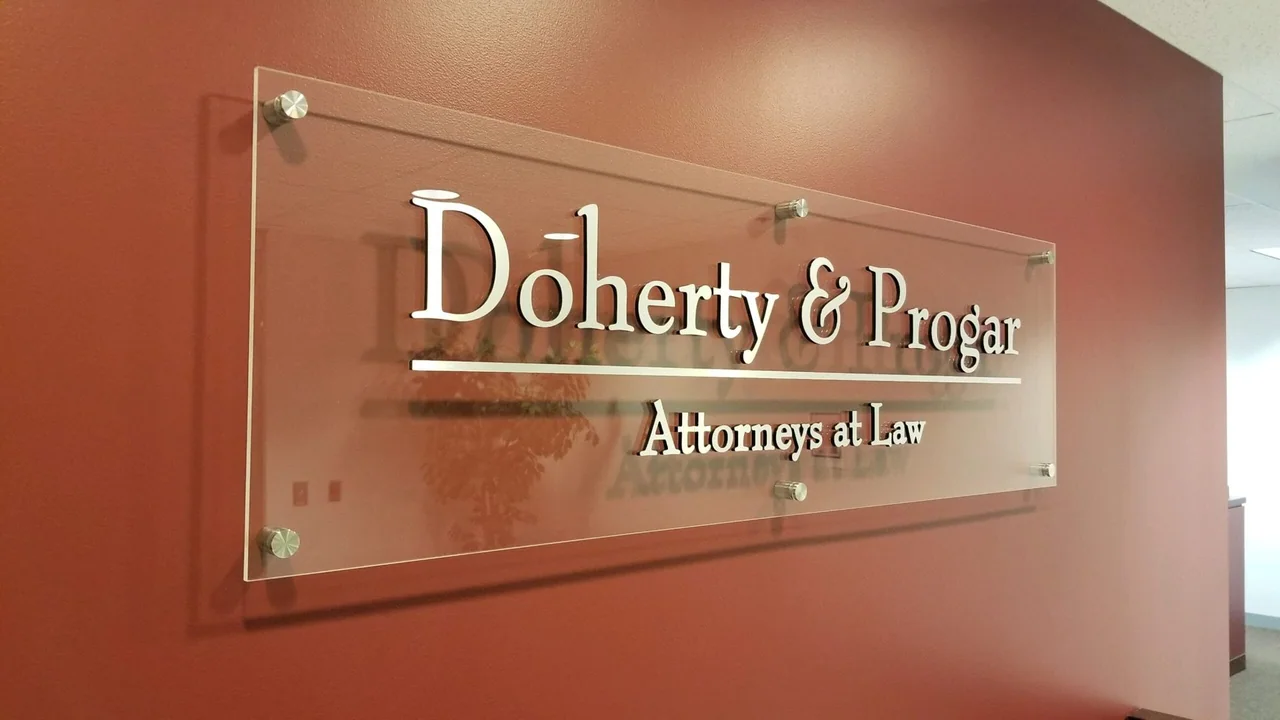
Interior signage often has two jobs: establish a professional first impression and answer a practical question. A lobby logo can introduce the business, while directories, room identification, and directional signs make the space easier to use.
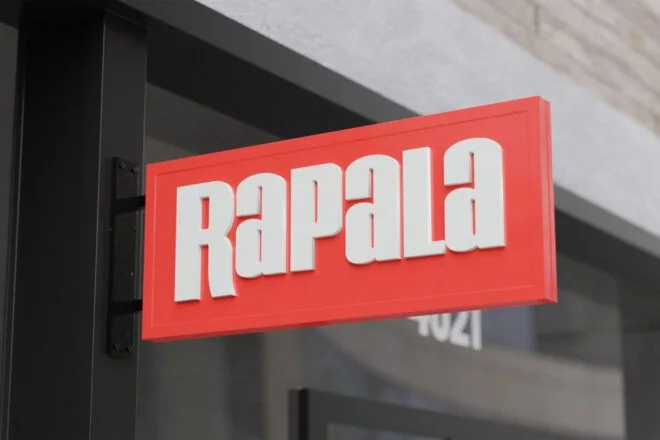
A blade sign works differently from a flat wall sign. Its bracket, clearance, sign weight, face layout, and relationship to nearby windows or neighboring signs all deserve attention.