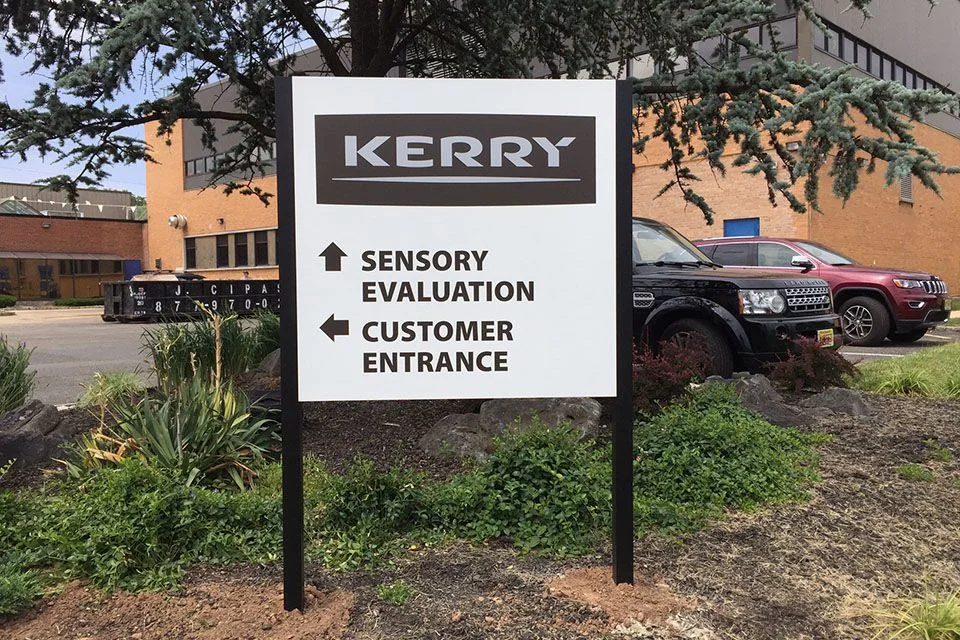
Post & panel signs
Straightforward signs. Clear information.
Plan construction signs around your Guthrie, Kentucky property, from the first view of the name to the final visitor destination.
By sending your request, you agree to be contacted about your project. Read our privacy policy.
★★★★★5.0Based on 14 reviewsConstruction signs can introduce a project while keeping contractor and development information organized. Separate the long-term project identity from dates, leasing details, and partner names that may change. A post-and-panel display or banner should be planned for its expected duration and the actual place it can be mounted.
Consider the transition from construction site to occupied property. Temporary branding may need to come down as permanent building identification appears. Keep the public-facing project message distinct from operational and safety signage, whose requirements need their own project review. Reusable panels can be discussed when stages or contacts are expected to change.
Guthrie lies on the Kentucky–Tennessee border and has a railroad history reflected in the city’s own account of its development. For a customer finding a local business, a clear name and a recognizable entrance matter more than a crowded message. Include the state in the project address and explain how visitors reach the property so the sign can respond to the real approach.
For construction signs in Guthrie, separate the main brand from the directions needed once someone enters the property. Include the project stage, expected display period, mounting location, and approved partner logos.
Show the property from the visitor route, including any turn into the site and the final customer door. Where there are multiple buildings, label their intended functions on a simple sketch. This helps decide which message belongs on a building, which belongs at an entrance, and which can stay indoors.